
The Essential Role of Catalytic Converters: Why They're Crucial for Modern Vehicles
Introduction: In the quest for cleaner air and sustainable transportation, catalytic converters emerge as unsung heroes within the automotive industry. These small, yet powerful devices play a pivotal role in reducing harmful emissions from vehicles, thereby mitigating air pollution and safeguarding public health. In this in-depth exploration, we uncover the significance of catalytic converters, delving into their functionality, environmental impact, regulatory importance, and technological evolution.
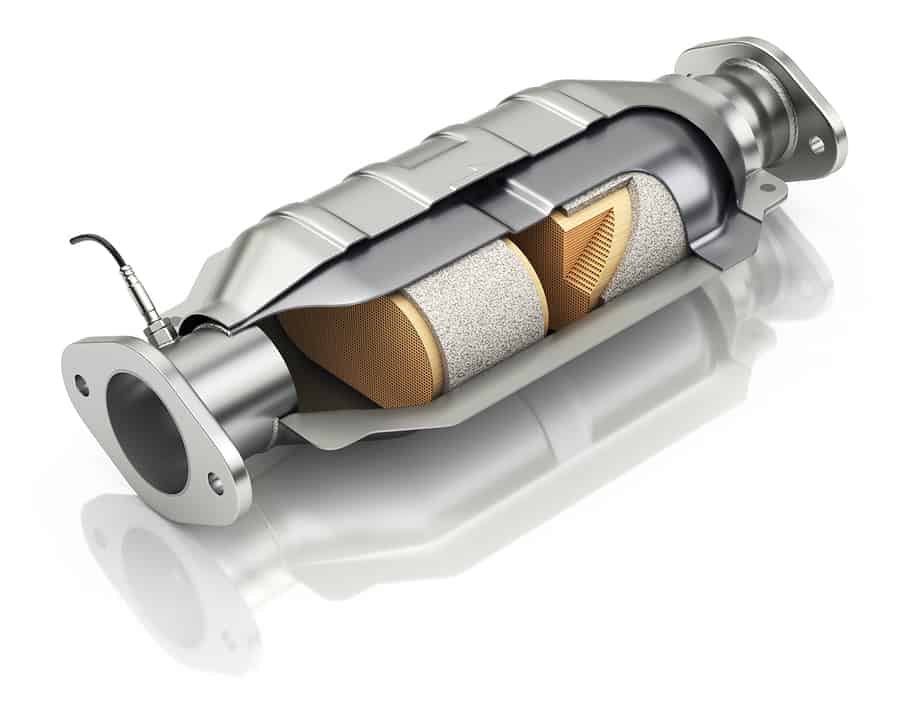
Understanding Catalytic Converters: At the heart of every modern vehicle's exhaust system lies a catalytic converter—a sophisticated emissions control device designed to transform harmful pollutants into less harmful substances through catalytic chemical reactions. Catalytic converters primarily target three main pollutants emitted by internal combustion engines:
- Hydrocarbons (HC): Unburned fuel compounds released into the atmosphere, contributing to smog formation and respiratory ailments.
- Carbon Monoxide (CO): Deadly odorless gas produced by incomplete combustion, posing significant health risks when inhaled in high concentrations.
- Nitrogen Oxides (NOx): Reactive gases formed during high-temperature combustion, contributing to smog, acid rain, and respiratory issues.
Functionality of Catalytic Converters: Catalytic converters employ a combination of precious metals, high-surface-area substrates, and chemical catalysts to facilitate the conversion of harmful exhaust gases into less harmful compounds. The core components and processes within catalytic converters include:
- Ceramic or Metallic Substrate: Provides a high-surface-area structure for optimal catalyst coating and efficient gas contact.
- Catalyst Coatings: Consist of precious metals such as platinum, palladium, and rhodium, which accelerate chemical reactions without being consumed in the process.
- Redox Reactions: Catalyze oxidation and reduction reactions that convert toxic pollutants into less harmful compounds. For example:
- Oxidation of carbon monoxide (CO) to carbon dioxide (CO2).
- Reduction of nitrogen oxides (NOx) to nitrogen (N2) and oxygen (O2).
- Oxidation of unburned hydrocarbons (HC) to water vapor (H2O) and carbon dioxide (CO2).
Importance of Catalytic Converters: The significance of catalytic converters extends far beyond their role as emissions control devices. Their importance can be observed through various lenses:
- Environmental Impact:
- Air Quality Improvement: By reducing the emission of harmful pollutants, catalytic converters contribute to cleaner air and mitigate health risks associated with air pollution.
- Regulatory Compliance: Catalytic converters are mandated by emissions standards and regulations worldwide, ensuring that vehicles meet stringent pollution control requirements.
- Public Health and Safety:
- Respiratory Health: Lower levels of pollutants such as carbon monoxide and nitrogen oxides lead to improved air quality and reduced respiratory ailments.
- Environmental Justice: Communities disproportionately affected by air pollution, such as urban areas and low-income neighborhoods, benefit from reduced emissions and improved environmental equity.
- Climate Change Mitigation:
- Greenhouse Gas Reduction: While catalytic converters primarily target criteria pollutants, their role in optimizing engine efficiency indirectly contributes to reducing greenhouse gas emissions such as carbon dioxide (CO2).
- Sustainable Transportation: Catalytic converters facilitate the transition to cleaner and more sustainable modes of transportation, aligning with global efforts to combat climate change.
Regulatory Landscape and Technological Evolution: The widespread adoption of catalytic converters is driven by regulatory mandates and technological advancements aimed at enhancing their effectiveness and durability. Key factors shaping the regulatory landscape and technological evolution include:
- Emissions Standards:
- Global Harmonization: Convergence of emissions standards across regions to establish consistent requirements for vehicle manufacturers.
- Stricter Regulations: Continued tightening of emissions limits and introduction of new pollutants for regulation, necessitating advancements in catalytic converter technology.
- Technological Innovations:
- Advanced Catalyst Formulations: Development of novel catalyst formulations and coating techniques to improve conversion efficiency and reduce reliance on precious metals.
- Onboard Diagnostics: Integration of onboard diagnostics systems to monitor catalytic converter performance and ensure compliance with emissions standards.
Future Outlook and Challenges: While catalytic converters have made significant strides in emissions reduction and air quality improvement, several challenges and opportunities lie ahead:
- Emerging Pollutants: Addressing emerging pollutants such as particulate matter (PM), volatile organic compounds (VOCs), and greenhouse gases requires innovative catalytic converter designs and materials.
- Electrification and Alternative Fuels: As the automotive industry shifts towards electrification and alternative fuels, the role of catalytic converters may evolve to address emissions associated with battery production, hydrogen production, and renewable fuels.
- Circular Economy: Promoting the recycling and recovery of precious metals from end-of-life catalytic converters can mitigate supply chain risks and reduce environmental impacts associated with mining and extraction.
Conclusion: Catalytic converters represent a cornerstone of modern vehicle emissions control, playing a vital role in safeguarding public health, improving air quality, and combating climate change. As regulatory pressures mount and technological innovations accelerate, catalytic converters will continue to evolve, driving progress towards a cleaner, healthier, and more sustainable future for transportation worldwide.